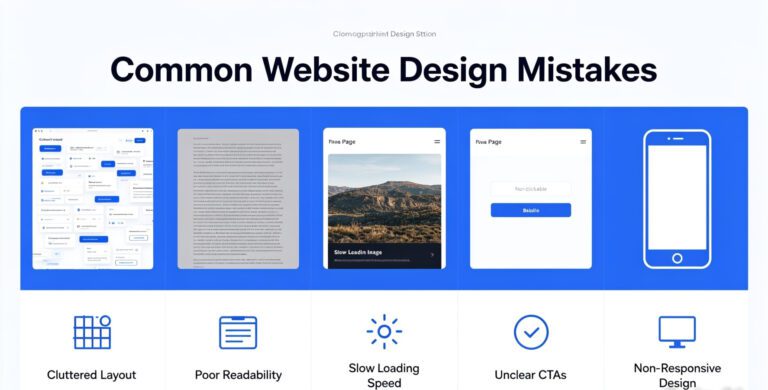
Every successful creative project begins with the right information.
However, customers do not always know which details a designer needs. A short brief may explain the required product without revealing the wider business challenge.
Therefore, Devon Design uses structured discovery questions to uncover goals, audiences, expectations, limitations, and opportunities.
The Five Ws and How framework provides a simple but powerful starting point.
It explores six essential questions:
- Who?
- What?
- When?
- Where?
- Why?
- How?
These questions help Devon Design understand each project before design work begins.
Consequently, decisions become clearer, communication improves, and the finished solution supports measurable business goals.

What Is the Five Ws and How Framework?
The Five Ws and How framework supports information gathering, problem-solving, journalism, research, and storytelling. Each question explores a different part of the subject.
Together, they provide a complete picture without making the discovery process unnecessarily complicated. The framework also encourages open conversations.
Instead of asking whether a customer wants a new website, Devon Design explores why that website matters. Similarly, we identify who will use it and how visitors should respond. This deeper understanding helps transform a general request into a focused creative strategy.

Why Project Discovery Matters
Good design needs more than attractive colours, polished typography, and professional imagery. It must solve a genuine communication or business problem.
For example, a customer may request a redesigned website because the current design feels outdated.
However, further discussion might reveal several more important problems. The website may attract unsuitable enquiries, confuse visitors, load slowly, or perform poorly on mobile devices. Additionally, customers may struggle to update important content.
Discovery allows Devon Design to identify these connected issues before proposing a solution. As a result, the project addresses underlying problems instead of merely changing the appearance.
Who Is Involved in the Customer Project?
The first question identifies everyone connected with the project. This group may include business owners, employees, customers, partners, suppliers, and other stakeholders.
Understanding these people helps Devon Design make informed design decisions.
Who Owns the Project?
Every project needs a clear decision-maker. Therefore, we establish who will provide feedback, approve designs, supply content, and confirm important changes.
Clear responsibilities reduce delays and prevent conflicting instructions.
Who Is the Target Audience?
The target audience influences almost every creative decision. We explore who customers are, what they need, and which concerns affect their decisions. For a website project, this information influences navigation, page structure, language, imagery, and calls to action.
A professional audience may require detailed technical information. Alternatively, household customers may prefer simple explanations, reassurance, examples, and clear contact options.
Who Uses the Finished Product?
The purchaser may not become the main user. For example, a manager could commission an internal system that employees use daily.
Therefore, Devon Design considers both commercial stakeholders and practical users. This balanced approach creates solutions that satisfy business goals and genuine user needs.

What Does the Customer Need?
The “What” question defines the required project and its expected outcomes. Initially, a customer might request a website, logo, brochure, digital campaign, or complete brand identity.
However, each description requires further exploration.
What Problem Must We Solve?
Devon Design identifies the main problem before recommending specific features. A website may need to generate more enquiries, explain complex services, or improve customer confidence.
Likewise, a brand project may need to improve recognition or create greater consistency. Once we define the problem, every creative decision can support its solution.
What Must the Project Include?
Next, we establish the practical requirements. A website project could require service pages, case studies, contact forms, galleries, ecommerce, booking tools, or customer resources.
We also consider content, photography, video, integrations, accessibility, search optimisation, hosting, and maintenance. This process creates a realistic scope and reduces unexpected additions later.
What Would Success Look Like?
Success should mean more than completing the agreed deliverables. Therefore, Devon Design asks what the customer hopes to improve.
Possible goals include:
- More relevant enquiries
- Better search visibility
- Stronger customer confidence
- Easier website management
- Increased online sales
- Clearer service information
- Improved mobile usability
- Greater brand consistency
These outcomes guide the project and provide useful reference points after launch.
When Does the Project Need to Happen?
Timing affects planning, content preparation, feedback, testing, and delivery. Therefore, the “When” question explores more than the final deadline.
When Is the Ideal Launch Date?
Some projects connect with business launches, events, exhibitions, campaigns, or seasonal demand.These dates may create genuine deadlines. However, an effective schedule must still allow enough time for research, design, development, testing, and revisions.
Devon Design builds a structured timeline around the required outcome.
When Will Customer Content Become Available?
Content delays can affect an entire project. Therefore, we confirm when text, photography, product information, approvals, and technical access will become available.
We can also identify where Devon Design should provide content planning or copywriting support.
When Will Reviews Take Place?
Regular reviews maintain momentum and reduce last-minute changes. Consequently, we agree suitable feedback stages before detailed work begins.
These stages may include sitemap approval, wireframe review, visual design approval, development testing, and launch preparation.
Where Will the Design Be Used?
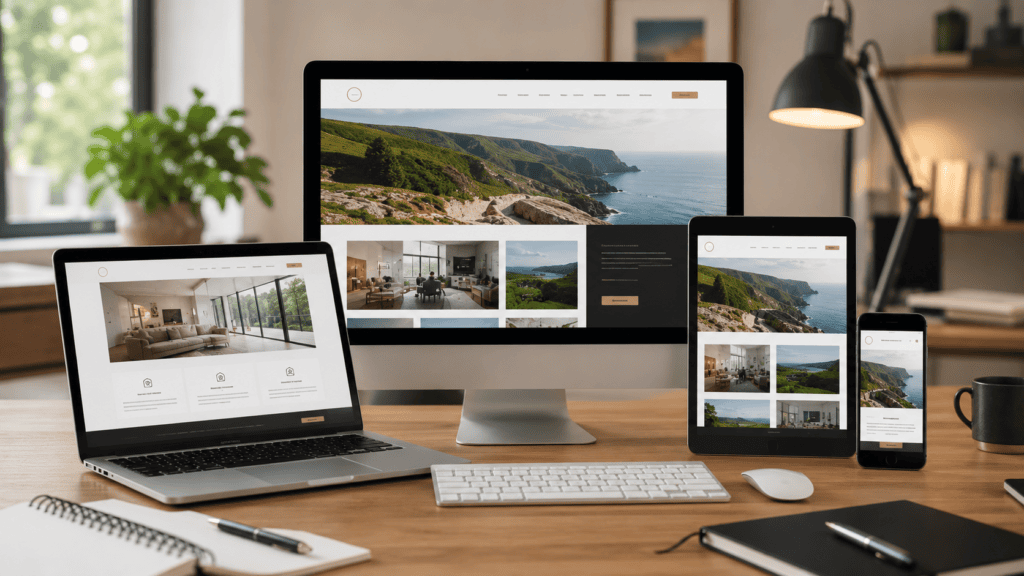
The “Where” question identifies every environment where the customer and audience will experience the finished work. For digital projects, this may include desktop computers, tablets, mobile devices, search results, emails, and social platforms.
For branding projects, the design may appear across websites, vehicles, signage, packaging, uniforms, documents, and advertising.
Where Is the Customer’s Audience Located?
Location can influence language, imagery, services, content, and search strategy. A Devon business may serve one town, several counties, or customers throughout the United Kingdom. Therefore, Devon Design identifies priority locations without forcing unnecessary geographic keywords into every page.
This information can support local landing pages, contact details, case studies, and regional content.
Where Does the Existing Experience Fail?
We also explore where customers encounter confusion or frustration. Visitors may abandon a complicated contact form or struggle to find important services. Similarly, mobile users may face unreadable text, awkward buttons, or slow-loading images.
Identifying these weak points helps Devon Design prioritise meaningful improvements.
Why Does the Customer Need the Project?
“Why” often becomes the most valuable question within the Five Ws and How framework. It reveals the commercial purpose behind the requested work.
A company may want a new website because competitors appear more professional. However, the deeper reason could involve declining enquiries or a major change in services.
Understanding that motivation helps Devon Design create a more appropriate solution.
Why Is the Existing Solution Underperforming?
The current website or brand may no longer represent the business accurately. Alternatively, it may lack clear navigation, useful content, strong calls to action, or mobile responsiveness.
By identifying the causes, we can recommend improvements that address specific weaknesses.
Why Should Customers Choose This Business?
Every project should communicate a convincing reason to choose the customer’s organisation. Therefore, we explore experience, values, specialist knowledge, service quality, customer support, locations, and proven results.
These strengths become part of the website structure, visual identity, messaging, and overall customer journey.
Why Should Visitors Take Action?
Visitors need a clear reason to make contact, request a quotation, book an appointment, or purchase a product. Consequently, Devon Design considers motivation, reassurance, evidence, and possible concerns.
Testimonials, case studies, guarantees, accreditations, and transparent explanations can support that decision.
How Will Devon Design Deliver the Project?
The final question connects the gathered information with a practical project plan. It explains how Devon Design will turn business needs into an effective creative solution.
How Will the Project Be Structured?
For a website, the process may begin with research, sitemap planning, content priorities, and user journeys. Wireframes can then establish page structure before detailed visual design begins.
Development follows once the main design direction receives approval. Finally, testing checks performance, responsiveness, content, forms, links, and essential search settings.
How Will the Design Support Users?
Every element should help users understand the business and complete an appropriate action. Therefore, Devon Design creates clear navigation, readable layouts, useful headings, and visible calls to action.
We also consider accessibility, mobile behaviour, page speed, and content hierarchy. Together, these elements create a smoother and more convincing experience.
How Will the Project Support Business Goals?
The finished solution should connect creative decisions with practical outcomes. For example, service pages can target important customer questions and relevant search terms.
Case studies can demonstrate experience, while improved contact journeys can encourage more enquiries. Similarly, consistent branding can increase recognition across digital and printed materials.
A Practical Customer Project Example
Consider a Devon landscaping company requesting a redesigned WordPress website. The initial request might simply state that the current website looks old.
Using the Five Ws and How framework reveals a much clearer project.
Who?
The company serves homeowners, property developers, architects, and commercial organisations. A director will approve the project, while an office manager will update the website.
What?
The business needs a responsive website with service pages, project galleries, case studies, and simpler enquiry forms.
It also requires an easier content management process.
When?
The website must launch before the company’s main spring marketing campaign. Content preparation and photography must begin several weeks earlier.
Where?
The company works throughout Devon and selected neighbouring areas. Most website visitors use mobile devices while comparing local contractors.
Why?
The existing website no longer reflects the quality or scale of completed projects. It also receives traffic without generating enough suitable enquiries.
How?
Devon Design develops a clearer sitemap, stronger service pages, improved project evidence, and focused contact journeys.
The new WordPress website also supports easier updates and future growth. The project now has a defined audience, purpose, scope, schedule, location strategy, and delivery plan.
Therefore, design decisions no longer depend on assumptions.
How the Framework Improves Storytelling
The Five Ws and How framework does more than organise project requirements.It also creates the foundations for stronger business storytelling.
- “Who” introduces the people behind the company and the customers it serves.
- “What” explains the services, products, skills, or solutions provided.
- “When” can describe experience, development, milestones, or project stages.
- “Where” connects the business with its locations, communities, or markets.
- “Why” communicates purpose, values, and meaningful customer benefits.
Finally, “How” explains the process, expertise, and practical difference behind the service. Together, these elements create a complete and credible story.
Benefits of the Five Ws and How Framework
This structured approach offers several important project benefits. Firstly, it reduces misunderstandings by defining expectations early. Secondly, it helps identify missing information before that gap causes delays. Moreover, it keeps design decisions connected with users and business goals.
The framework also creates clearer content because every page can answer relevant customer questions. Most importantly, it encourages collaboration between Devon Design and the customer.
Both parties understand what the project must achieve and how the work will progress.
Questions Customers Can Consider Before Contacting Devon Design
Customers do not need a finished brief before beginning a conversation. However, several initial answers can make the discovery process more productive.
Consider the following questions:
- Who are your main customers?
- What problem do you need to solve?
- When would you like the project completed?
- Where will customers experience the finished work?
- Why does the project matter to your business?
- How should the finished solution improve current results?
These answers provide a valuable starting point.
Devon Design can then develop the information through a collaborative discovery process.
Better Questions Create Better Creative Solutions
Successful design projects begin with understanding rather than decoration. The Five Ws and How framework helps Devon Design uncover the people, purpose, context, requirements, and ambitions behind every project.
As a result, websites, brands, interfaces, and marketing materials become more focused and useful.They also communicate more clearly and support the customer’s wider objectives. Are you planning a website, branding, UX, graphic design, or digital content project?
Contact Devon Design to discuss who, what, when, where, why, and how your next project should succeed.