Website Speed Influences User Experience
Users expect websites to load quickly. Slow pages frustrate visitors immediately. Many users leave before websites finish loading. Fast websites improve engagement, trust, and conversions.
Google Uses Speed as a Ranking Factor
Google prioritises websites that provide excellent experiences. Website speed directly affects search rankings. Faster websites usually perform better within search results.
Speed optimisation now forms a major part of modern SEO.
Core Web Vitals Matter
Google introduced Core Web Vitals to measure user experience.
Important metrics include:
- Loading performance
- Visual stability
- Interactivity
Poor scores reduce ranking potential. Optimised websites achieve stronger results.
Slow Websites Lose Customers
Visitors rarely wait for slow websites. Even small delays reduce conversions.
Slow performance negatively affects:
- Bounce rates
- User trust
- Lead generation
- Customer satisfaction
Fast websites encourage users to stay longer.
Common Causes of Slow Websites
Several issues often reduce performance.
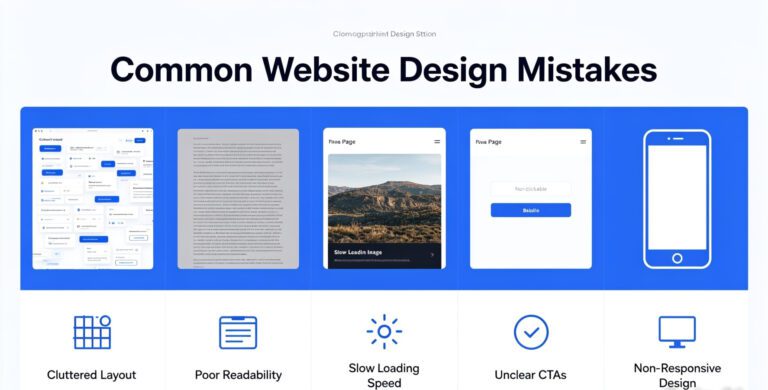
Common problems include:
- Large images
- Poor hosting
- Excessive plugins
- Unoptimised code
- Bad caching setup
Professional optimisation improves performance significantly.
Mobile Speed Matters Even More
Mobile users often browse using slower connections. Fast mobile experiences improve SEO and usability. Google indexes mobile websites first. Businesses should prioritise mobile optimisation carefully.
Speed Optimisation Improves SEO
Faster websites help search engines crawl content efficiently. Technical improvements strengthen SEO foundations.
Optimisation strategies include:
- Image compression
- Browser caching
- Minified code
- Quality hosting
- Content delivery networks
Professional optimisation supports higher rankings.
Final Thoughts
Website speed directly affects SEO performance and customer experience. Fast websites generate better rankings, stronger engagement, and more enquiries. Businesses investing in performance optimisation gain valuable competitive advantages online. Modern websites must prioritise speed to succeed.