If you’re diving into the world of WordPress in 2025, buckle up . It’s changing fast. Whether you’re a designer, developer, entrepreneur, or just someone trying to keep your site relevant, you’re probably already feeling the momentum. The tools are smarter. The designs are sleeker. And the possibilities? Practically endless.
Let’s unpack the WordPress trends that are stealing the spotlight this year.
Clean, Minimalist Themes Are In . And They Mean Business
I used to be guilty of cramming every “cool” feature into a homepage . Sliders, complex headers, fancy animations. You know, the works. But in 2025? Less is so much more.
Clean, minimalist WordPress themes are dominating for two big reasons: speed and accessibility.
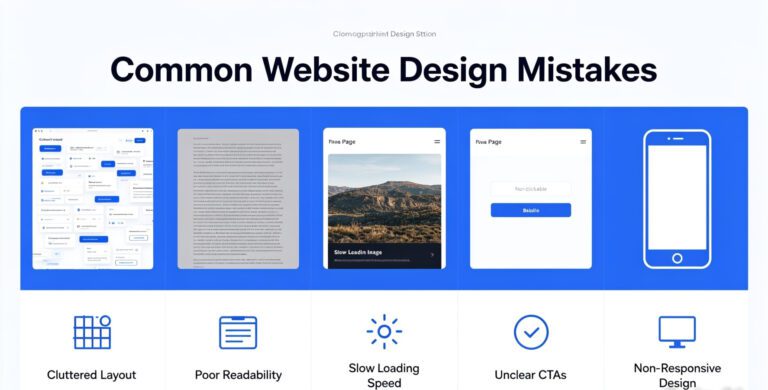
On the technical side, cluttered designs weigh sites down. I’ve seen pages that took over seven seconds to load . And their bounce rates were through the roof. Speed isn’t a luxury anymore. Google Core Web Vitals, updated in March 2025, now prioritize responsiveness and visual stability even more than last year. Minimal themes shine here.
On the human side, accessibility is finally getting the attention it deserves. Simpler layouts mean better navigation for screen readers, easier keyboard scrolling, and more inclusive design altogether. According to the WebAIM Million report (January 2025), the most accessible sites were also the cleanest.
Take the “Neve” theme paired with a child theme I created for a non-profit in Devon. It loaded under one second, passed all Wave and Lighthouse accessibility checks, and . Here’s the kicker . Boosted their donations by 22% in three months. No eye candy, just thoughtful design.
WordPress Is Getting Smarter with AI-Integrated Plugins
Here’s the thing: automation isn’t the future. It’s the present . And it’s improving every aspect of WordPress development.
AI-powered plugins are becoming the go-to solution for streamlining content generation, SEO optimization, even image tagging. Tools like Bertha AI, Surfer AI, and CodeWP aren’t just novelties . They’re genuine productivity boosters.
When rebuilding a fitness blog for a client earlier this year, we used AI to recommend headline structures based on real-time engagement statistics. It was like having a junior content strategist on the team . Only way faster and available 24/7.
And on the dev side? Auto-coded custom blocks used to take me hours of PHP and JavaScript fiddling. Now, with AI-assisted development tools, I can generate a block’s skeleton code in minutes and simply tweak the logic.
Of course, there’s a learning curve, and not all tools are created equal. Be sure to audit each plugin thoroughly; as of April 2025, WP Engine’s developer blog warns that many free AI plugins still raise data privacy concerns. Trust, but verify.
Full Site Editing (FSE) = Total Creative Freedom
Remember when designing in WordPress meant juggling widgets, shortcodes, and switching between the Customizer and your theme files? We’ve come a long way.
Full Site Editing . Rolled into core with WordPress 5.9 and headlining the most recent 6.5 update . Is now the standard.
The capability to customize headers, footers, post templates, and more using just the block editor has completely changed how I build sites. For one client, I was able to create three fully distinct landing pages using a single theme and just FSE. No child themes. No function overrides. Just powerful, visual tools.
That flexibility means brands can now offer genuinely unique experiences . Without breaking the bank. But here’s the catch: it requires a mindset shift. If you’re used to coding everything from scratch, FSE might feel limiting at first. Stick with it. The payoff in scalability and efficiency is massive.
Custom Design > Templates for Building Real Brand Identity
Let’s be real . There’s nothing wrong with templates. They’re a lifesaver if you’re low on time or budget. But if you’re building a brand that people remember? Cookie-cutter layouts won’t cut it in 2025.
Custom design is where your voice comes through. It’s the difference between looking like “just another coffee shop” and standing out as the coastal café with surf-inspired illustrations, warm-toned color palettes, and typography that feels like home.
We recently rebranded a Devon-based craft studio whose old website used a widely available template. It felt generic . Like a theme demo that had never been personalized. Post-redesign, with custom artwork, tailored copy blocks, and uniquely styled forms, their conversion rate on art class signups jumped by nearly 40%.
People connect with personality. Templates are a great starting point. But if you’re serious about brand identity . Don’t stop there.
Mobile-First Is Now Mandatory, Not Optional
Five years ago, mobile-first design was “good practice.” In 2025? It’s non-negotiable.
As of the most recent Statista mobile traffic analysis (March 2025), mobile users account for 74% of all global web traffic. That number keeps inching upward every quarter. If you’re still optimizing your desktop design first, it’s like designing a racing bike but only testing it indoors.
Responsive frameworks . Like GeneratePress and Astra . Help, but it’s not just about resizing elements. It’s about prioritizing content, streamlining navigation, and making micro-interactions touch-friendly.
When I consult on mobile UX audits, I often ask: Can a user find what they need in three taps or less? If not, there’s work to be done.
We recently worked with a local tourism board that had a gorgeous desktop website . But the mobile version was clunky. After redesigning it with mobile in mind from square one, bounce rates on handheld devices dropped by 67% within weeks.
That’s not just smart design. That’s real-world impact.
Where WordPress Is Going . And Why You Should Care
WordPress in 2025 feels like it’s matured into something much more than a content management system. It’s become a creative playground, a development powerhouse, and a branding toolkit . All combined.
Whether you’re tweaking your own portfolio, managing a client’s ecommerce hub, or launching a nonprofit awareness campaign, staying ahead of these trends makes all the difference.
Let’s recap the heavy hitters:
- Embrace clean, minimalist designs for faster, more accessible user experiences
- Use AI plugins and automations to boost efficiency without sacrificing quality
- Take advantage of Full Site Editing to build flexible, scalable site structures
- Prioritize custom design to truly express your brand’s identity
- Design mobile-first interfaces that serve users where they are: on their phones
Sure, it’s tempting to stick with what’s worked in the past. But growth? That lives in adaptation.
Ready to take your WordPress site into the future? Start with one small change . Maybe it’s switching to a faster theme, maybe it’s exploring an AI writing tool, or maybe it’s the bold leap into Full Site Editing. Either way, the tools are ready. The trends are shifting. And you’ve got everything you need to meet 2025 head-on.
If you’re building or refreshing your website and want guidance from folks who live and breathe WordPress design . Reach out. Let’s build something incredible together.