There’s something magnetic about the past, isn’t there? The soft crackle of vinyl, the grainy charm of ’60s film, the unmistakable vibe of early internet graphics . All these things stir up a kind of creative nostalgia that designers just can’t quit. And in 2025, this love affair with retro is not only still alive . It’s evolved, matured, and been reimagined for the modern age.
Welcome to the sweet spot where vintage aesthetic meets cutting-edge design. It’s a wild era of callbacks and breakthroughs, and whether you’re a seasoned creative or just sifting through some ‘retro graphic design trends’ for inspiration, one thing’s for sure: old-school is making some seriously fresh waves.
Why We Keep Coming Back to Nostalgia
Let’s be real . We’re living in a fast-paced, tech-saturated world where AI, AR, and automation are becoming second nature. Amid all this progress, people are craving something familiar. Nostalgia offers a sense of comfort, a throwback to simpler times when floppy disks actually meant saving things.
Designers pick up on this emotional undercurrent. A pixelated typeface or a washed-out Polaroid texture doesn’t just look cool . It feels safe. And that emotional connection? It’s gold in branding, marketing, and art direction.
Personally, I’ve seen this play out time and again in client projects. A coffee shop rebrand leaned into ’70s-inspired earth tones and serif-heavy logos, and the feedback? “It looks like my childhood.” That translated into loyalty and engagement that modern minimalism just couldn’t replicate on its own.
Trends Driving Vintage Design in 2025
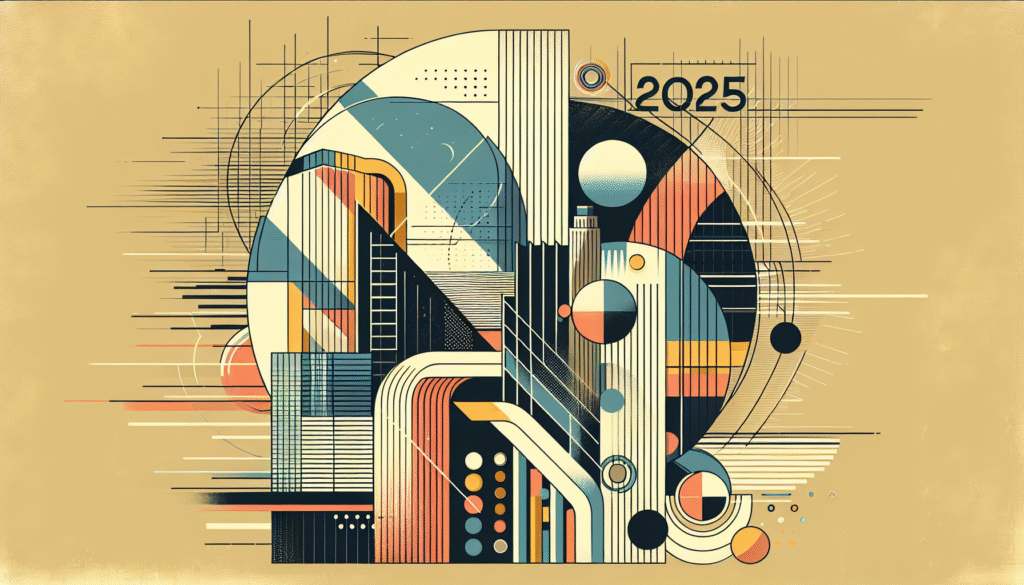
Let’s talk specifics. Retro design in 2025 isn’t just recycled . It’s reinvented. From tactile textures to typography that screams analog charm, here are the elements making a comeback, now with a tech-age twist.
1. Fonts That Speak History
Font nerds, gather ’round.
Vintage styles are dominating type foundries this year, but what’s different? They’re optimized for diverse platforms, responsive screen sizes, and accessibility standards.
Designers are loving:
- Pulp Display – A nod to mid-century book covers but with OpenType flexibility
- Neue Kansas Grotesk – Inspired by 1920s signage, great for branding
- Crayonette Revival – Quirky and oddball, from the early 1900s but modernized for legibility
Pair one of these with clean, grid-based layouts and bam . You’ve got that “modern retro inspiration” sweet spot.
2. Textures That Tell a Story
Grainy overlays, paper folds, risograph imperfections . The DIY spirit is thriving in media kits and web banners across industries.
A project I led for an indie film festival earlier this year used high-res scans of actual 1983 fanzines layered over ultra-modern gradients and kinetic typography. The result? Instant authenticity, with just enough grit to keep it interesting.
3. Palettes with a Pulse
Color choices in 2025 lean heavily on retro tones . But they’re being reworked through a contemporary lens.
You’ll see:
- Muted mustards doped with electric teal for contrast
- Burnt oranges revived with peachy neons
- Dusky blues balanced by AI-assisted color matching for screen accuracy
There’s a balancing act here . Respecting the past while not falling into cliché. When done right, it’s nothing short of eye candy.
Real-World Mixes of Old Meets New
Case Study: Fresh Threads Vintage x DigiCraft Studio
This collab between a vintage clothing reseller and a digital agency turned heads. The goal? Design a brand presence that honored ’80s zine culture but felt shoppable and sleek on mobile.
- Type: Dot matrix sans-serif as headers, paired with airy sans fonts
- Layout: A modular, scroll-based layout inspired by printed catalog grids
- Medium: QR-scannable denim tags that linked to AR “try-on” features
The project not only went viral on TikTok but also saw a 45% uptick in engagement within the first month.
Case Study: Nova Records Rebrand
An indie record label wanted to evoke the golden age of LPs while promoting their Spotify-first strategy. We created album art templates influenced by Blue Note-era geometry, overlaid with motion graphics that animated in socials.
By combining minimalist linework, analog textures, and looping video snippets, it felt truly dialectic . One foot in the past, one in the digital now.
Why It Works: The Design Psychology
Research from the Design Management Institute (2024) suggests that brands incorporating emotional memory through visual cues see higher retention. No surprise there. Colors, patterns, and typefaces carry cultural memory. A hint of Bauhaus or Memphis Group chaos triggers something deeper than admiration . It taps into identity.
Dr. Lydia Sanders, a cognitive psychologist specializing in commercial storytelling, noted in her paper published last fall (2024):
And that’s the real magic. Vintage design isn’t about looking back. It’s about bringing forward a sense of soul . Filtered through the remarkable tools we now have.
Final Thoughts: Keeping It Fresh While Staying Rooted
Being a designer right now feels like being a DJ with two turntables: one spinning dusty vinyl, the other streaming from the cloud. And the track that gets people moving? It’s the remix . Of old visuals and new ideas, of soft hues and hard-coded interfaces.
Whether you’re deep-diving into vintage design 2025 trends or just sketching your next moodboard, remember this: authenticity always wins. Retro works not because it imitates, but because it resonates.
So go ahead. Mix that cassette tape with your Figma file. Add that Risograph texture to your high-def render. Make something that feels familiar, yet totally brand new.
Ready to breathe new life into vintage vibes? Start your modern-retro mashup today and let nostalgia light your creative fire.
Frequently Asked Questions
What’s the difference between vintage and retro design?
Great question. Vintage usually refers to original design styles from a past era . Think authentic 1970s posters. Retro is more about mimicking those styles in a modern context. So while vintage is historical, retro is interpretative.
Are there specific tools or plugins that help create retro effects?
Yes, and they’re getting better each year. Popular tools include:
- RetroSupply Co. texture packs
- Fontself Maker for creating vintage-style fonts
- Analog-inspired LUTs in Adobe Premiere for video projects
Also, apps like Procreate and Affinity Designer have built-in brushes and overlays that mimic letterpress, print grain, and CRT effects.
How do you keep retro design from looking outdated?
The trick is balance. Use retro elements, not whole layouts. Combine vintage-inspired fonts with modern spacing. Drop a grainy overlay on a bold, high-contrast palette. Avoid going full-tilt nostalgia unless it’s part of the concept.
Is vintage design just a trend or here to stay?
While trends evolve, the emotional resonance of nostalgia isn’t going anywhere. What changes is how it’s used. In 2025, we’re seeing smarter, more intentional use of vintage cues . Meaning it’s not just trend-based, it’s experience-driven.
Do accessibility standards conflict with retro design elements?
They can, but with smart design choices, vintage flair and accessibility can coexist. Make sure fonts have proper contrast and are legible at all sizes. Avoid low-color contrast combos that were common decades ago but don’t meet today’s WCAG guidelines. Tools like Stark or the WAVE browser extension can help audit your designs.
Use the past as your palette . Not your blueprint . And you’ll find that vintage design in 2025 isn’t just stylish. It’s timeless.