If you’ve ever heard someone use UX and UI interchangeably, you’re not alone. Even in 2025, these two disciplines are still frequently muddled. But while they do work hand in hand to shape modern digital experiences, UX and UI play very distinct roles. And honestly? Understanding the difference isn’t just for designers anymore. It’s crucial for developers, product managers, and any business owner who cares about their users (which should be all of us, right?).
Let’s untangle this once and for all.
UX vs UI: Breaking Down the Basics
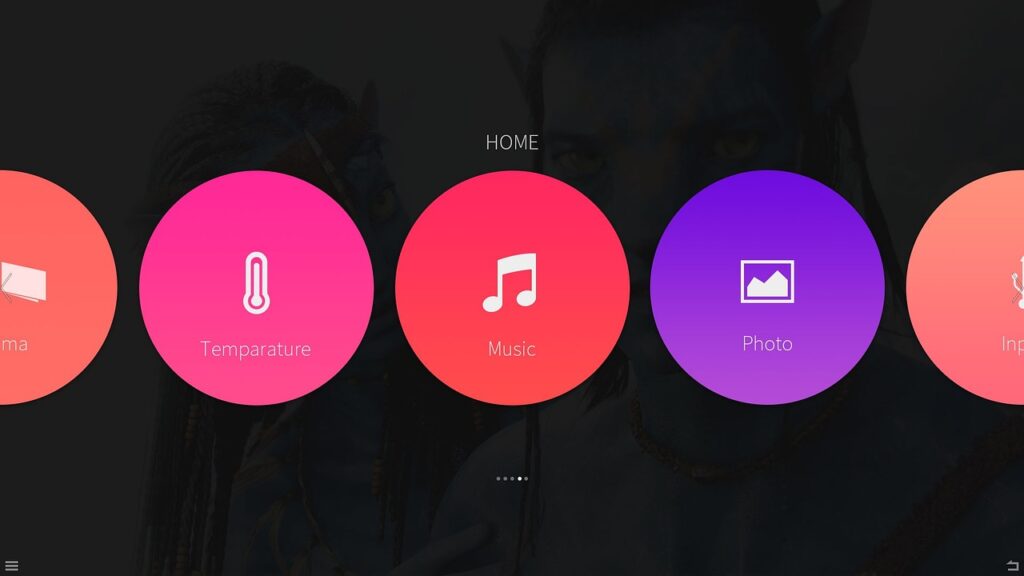
Starting with the fundamentals—UI, or User Interface, is all about how a product looks and feels. Think buttons, iconography, spacing, color schemes, motion. These are the visual and interactive building blocks a user engages with on screen.
UX, or User Experience, is far broader. It’s the process behind crafting a seamless, intuitive, and satisfying journey for users. From the moment someone lands on your app or website, to completing their goal (whether that’s buying a product, finding information, or booking a service), UX design ensures every step makes sense and feels effortless.
I remember working with a Devon-based ethical clothing brand last year who had a gorgeous UI. But conversions were terrible. Why? Navigation was clunky, product filters weren’t working right, and checkout was confusing. Their interface shined, but their experience flopped. Sound familiar?
Where UX and UI Meet
Here’s where the magic happens: these two aren’t at odds. They’re partners. A well-planned UX strategy lays the blueprint, while UI brings it to life. You need both for a product that’s not only functional but beautiful.
Picture a high-end restaurant. UX is the entire dining experience. From the host greeting you, to how quickly your food arrives, to how easy it is to split the bill. UI? That’s the table setting, menu design, lighting, and ambiance.
Ask yourself: would you go back to a stunning restaurant where your order was wrong and service was sluggish? Probably not.
Clearing Up Some Common Misconceptions
Let’s nip a few myths in the bud:
- “UI is just graphic design.” Nope. While UI draws on graphic design skills, it’s deeply interactive. Great UI requires an understanding of usability, accessibility, and responsive behavior.
- “UX is only about wireframes.” Wrong again. UX involves user research, persona building, information architecture, user flows, testing. It’s strategy-driven and heavily data-informed.
- “Good UI means good UX.” Just because something looks good doesn’t mean it works well. That flashy new app with a slick interface? If users can’t figure out how to use it, they’re gone.
Real-World Examples from Devon’s Digital Scene
Here in Devon, I’ve had a front-row seat to some brilliant digital transformations where both UX and UI were carefully considered.
One that stands out is a local wellness retreat near Totnes. They hired our agency to overhaul their outdated, clunky website. The original UI was flat out uninspiring, and the UX was riddled with friction. Long forms, confusing navigation, zero mobile responsiveness.
We started with a thorough UX audit: talking to past users, mapping user journeys, and identifying drop-off points. Then our UI designer stepped in to craft a sleek, calm aesthetic that mirrored the retreat’s brand values. Bookings went up by 40% within two months. Why? Because the experience matched the promise.
Another great one. A mobile surf shop in North Devon had a fun brand and great social presence, but their website just didn’t deliver. We rebuilt the UI with bold, ocean-inspired visuals, simplified the UX with a four-step purchase flow, and added micro-interactions to keep things tactile. Response? Users stayed over 50% longer per session. That’s no accident.
Why This Matters (More Than Ever)
It’s 2025. Users expect smoother, faster, smarter digital interactions than ever before. People don’t just want pretty graphics or well-placed buttons anymore. They want systems that just work. That anticipate their needs. That feel good.
Neglecting UX squeezes your bottom line. Overlooking UI turns users off before they even begin. But when designers, developers, and businesses align on both, that’s when loyalty builds and conversions climb.
Whether you’re launching an app, refreshing your brand, or building your first ecommerce store. Focus on experience and interface. They’re two sides of the same coin. And if you get it right? Your users will stick around, engage more, and tell their mates.
Let’s Wrap This Up
UX and UI aren’t interchangeable terms. They’re interwoven disciplines with unique roles and massive impact. One shapes the interaction, the other the impression. But it’s their synergy that creates memorable, intuitive digital products.
So whether you’re a developer aiming for smoother flows, a founder launching your vision, or a designer refining your craft. Look at both. Truly great design isn’t just seen. It’s felt.
Ready to elevate your digital experience? Let’s talk about how smart design can transform your user engagement. Or better yet, take a minute to audit your own site. Does it look good and feel right?
If not, it might be time to bring the UX and UI teams to the same table.