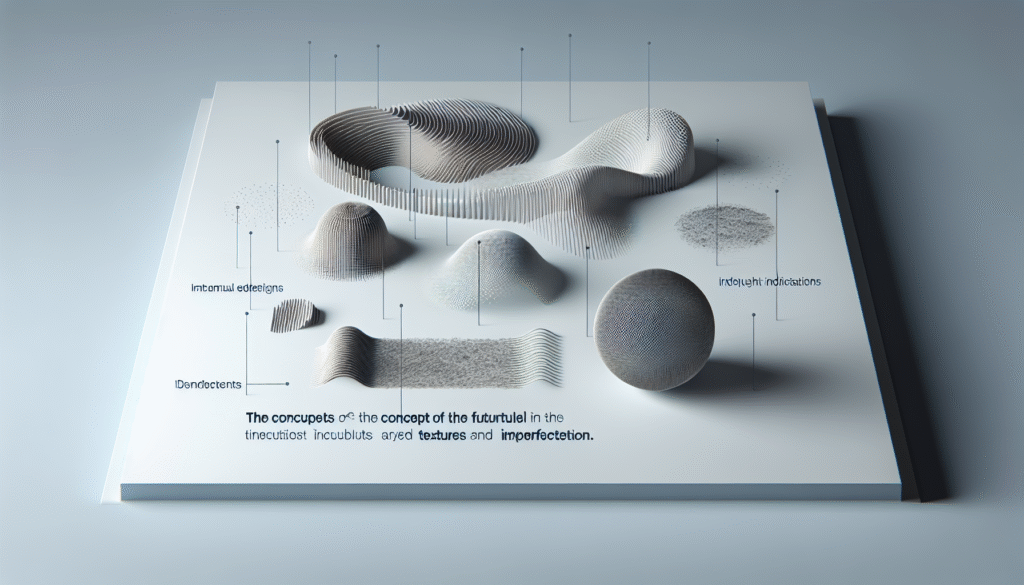
Digital design in 2025 is pulling off something kind of wild. It’s getting messy again. But the good kind of messy. We’re seeing a full-blown love affair with texture, imperfection, and the beautifully handmade. In a world saturated with sleek, hyper-polished visuals, there’s something oddly comforting. Maybe even rebellious. About a design that embraces what’s not perfect.
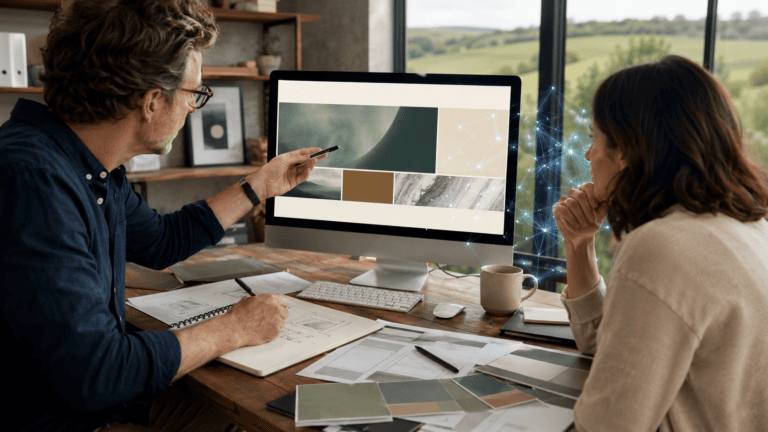
I first noticed this shift last fall while reviewing branding proposals for a boutique food startup. Every other deck was serving up the same clean vector icons and latte-beige palettes. And then one pitch came along, full of smudged pencil sketch overlays, mismatched photo clippings, and uneven brush textures. It looked like someone had crafted it on a kitchen table with a glue stick and a scanner. Guess which one the client picked?
Why Imperfection Feels So Right in 2025
Let’s get this straight: this isn’t about going backwards or ditching digital entirely. It’s about bringing humanity back into the pixels. There’s a growing hunger for something that feels real. Mass consumer fatigue from years of pixel-perfect precision. Fueled by AI-generated everything. Has left people craving designs they can emotionally connect with.
Several studies back this up. Nielsen Norman Group’s UX research as of Q1 2025 highlights the increased engagement time on sites using textured layers, illustrated elements, and visually tactile design. People stop scrolling. They want to touch the art. Figuratively, of course.
But beyond numbers, there’s just an instinctual pull. We’re tactile creatures. A little paper grain, a hand-torn edge, or a paint stroke that feels like it came from a canvas rather than a codebase. It slows us down in the best way.
The Rise of Handmade Digital Design
You’ve probably already come across design pieces that look almost analog. Think:
- Collage-style layouts with cutout shapes and magazine textures
- Grainy gradients that mimic film exposure
- Ink bleeds, scanned sketchbook doodles, and offbeat type choices
- Watercolor or crayon brushes layered over photography
These aren’t just aesthetics. They’re invitations. They say, someone made this. It’s no surprise collage trends in 2025 are dominating everything from ad campaigns to album covers. The shift reflects a generation burnt out on always-glossy, always-polished content.
The best part? You don’t need a studio full of paper scraps and glue to keep up.
How Designers Are Creating Tactile Textures Digitally
While there’s no replacing the soul of something handbuilt, digital tools have gotten really good at simulating the vibe. And the options are expanding fast.
Here are a few go-to techniques making waves in 2025:
1. Scanned Assets and Overlays
Use your scanner like a time machine. Designers are digitizing charcoal marks, fabric weaves, torn paper edges, and more. I still have a folder full of textures I collected from old sketchbooks and receipts. Scanning them in at high-res turned them into a library I use all the time in Figma and Photoshop.
2. Purposefully “Broken” Brushes
Thanks to marketplaces like Creative Market or Envato Elements (current as of April 2025), grungy, uneven brush packs are more refined than ever. Ironically. There are Procreate sets that mimic everything from oil pastels to dried paint rollers, giving your work gritty emotion without going full analog.
3. Layered Composition
Collage isn’t just cutting and pasting anymore. Designers are blending vector shapes with photo cut-outs, sometimes combining up to 10+ layers of texture and color variation. Think of it as digital jazz. Structured chaos coming together with just enough harmony.
4. Typography with Character
2025 type design isn’t about precision. Fonts now come with intentional wobbles, uneven weights, or hand-inked flaws. Tools like Fontself still allow folks to turn handwriting into usable fonts, adding a lovely, personal touch to brand storytelling.
When “Perfect” Becomes Boring
Here’s the reality no one wants to admit: sometimes, perfection dies on the page. A perfectly aligned grid or ultra-clean UI may look good. But does it feel good? That’s where texture and imperfection step in.
Think about your favorite old hoodie. Soft from wear, maybe a little faded, but it’s cozy. Familiar. Trustworthy. That’s what textural design offers your audience in 2025. Not sanitized branding or AI-polished layouts, but emotional warmth.
Real-World Brands Leading the Textural Charge
Don’t just take my word for it. Here are a few cases where real-world brands are making major impact with this approach:
The trend is catching on across fashion, home decor, editorial publishing, and sustainable brands. Why? Because it feels like something you’d keep, not swipe past.
How to Start Using Textural Design Now
You don’t have to be a collage artist or fine arts grad to tap into the handmade digital design style. Start small:
- Add scanned textures to your photo backgrounds
- Try overlaying a sketch or scribble into your web UI
- Swap out that generic sans serif for a typeface with a little personality
- Build a bank of textures from items around your workspace. Cardboard, napkins, torn notebooks
More than anything, let the imperfections stay. We’re not aiming for messy; we’re aiming for emotionally honest.
Frequently Asked Questions
What exactly is "textural design"?
Textural design refers to the use of elements that introduce a sense of depth and tactility to a visual composition. This can include paper textures, grain overlays, hand-drawn illustrations, or layered collage work, giving the impression of something physically crafted. Even when it’s digital.
How is this different from traditional collage?
Traditional collage involves cutting and assembling physical materials. In modern textural design, these effects are digitally created or scanned from analog sources. The goal remains the same: to evoke emotion and dimension, but using tools suited for digital content and responsive media.
Are there risks to using imperfect design?
Sure. Overusing textures or adding them without purpose can clutter your layout or dilute your message. Balance is key. Always prioritize clarity. A design should feel soulful, not sloppy.
Can AI replicate handmade-looking textures effectively?
To an extent, yes. AI tools are increasingly good at generating layered, hand-drawn-style visuals. But while they’re improving, there’s still something unmistakably different about true scanned or handcrafted assets. Many designers blend AI-generated textures with real ones for a richer look.
What tools are best for applying these textures?
Popular tools in 2025 include Procreate, Photoshop, Figma, and even Canva Pro with its upgraded texture libraries. I personally recommend using a combination of analog (scanning in physical materials) and digital editing for an authentic effect.
Let’s Wrap This Up
Design in 2025 is all about reconnecting. To touch, texture, and the unmistakable mark of the human hand. Perfect pixels had their reign. Now? It’s the year of raised edges, rough paper, and quirky shapes that make our screens feel a little more alive.
If your next project feels too clean or too sterile, ask yourself: Where can I leave a fingerprint? You’d be surprised how much magic lives in the flaws.
Ready to explore this gritty-glorious design trend? Dust off that scanner, break out your old sketchbook, and get your hands (digitally) dirty. There’s never been a better time to design like a human.