When I started my first freelance design gig over a decade ago, my client handed me a PDF and said, “This is our brand guide. Stick to it.” I opened it, expecting something magical. Instead, it was a blurry JPG of their logo and a couple of font names typed in Arial. That moment taught me just how common. And costly. Poor branding consistency can be.
Fast forward to today, and the stakes are even higher. With teams spread across continents, campaigns running across dozens of platforms, and content being pumped out faster than ever, a clear and cohesive brand style guide isn’t just nice to have. It’s non-negotiable.
Let’s break down how to create one properly. With structure, purpose, and tools that actually make life easier.
What’s in a Brand Style Guide?
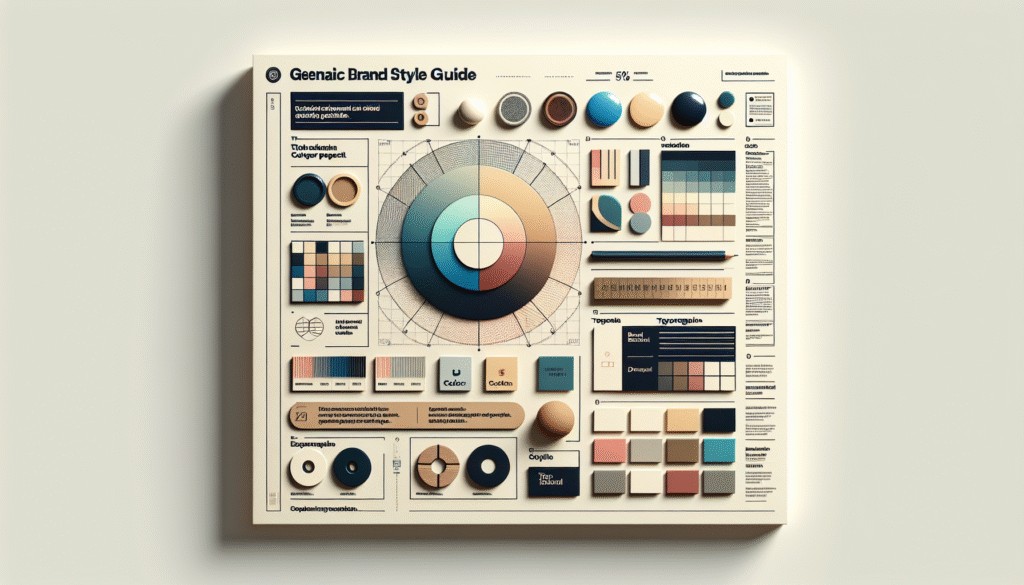
Think of a brand style guide as your brand’s instruction manual. It should be clear enough that a new designer, marketer, or partner could pick it up and nail your tone and visuals from day one.
Here’s what a comprehensive guide typically includes:
- Logo Usage
- Variations, spacing rules, dos and don’ts
- Color Palette
- HEX, RGB, and CMYK codes with contexts (e.g., print vs digital)
- Typography
- Font choices, sizes, hierarchy, and usage scenarios
- Imagery Guidelines
- Photography style, icons, illustrations, and visual treatments
- Tone of Voice
- Brand personality, common phrases, what to avoid
- Brand Story & Values
- Mission, vision, and what the brand stands for
- Applications
- Sample mockups like stationery, social posts, ads, packaging
- Accessibility Guidelines
- Contrast ratios, legibility, font size minimums (critical, overlooked by many)
The best guides blend strict rules with inspiration. It’s not just about saying “use this color.” It’s about making people feel how that color contributes to the brand’s identity.
Why You Need One (Now More Than Ever)
Let’s face it. Brand chaos is real. Maybe marketing loves emojis, but your C-suite prefers formal language. Or your Instagram feed is polished while your email newsletters look like they’re from 2003. A style guide keeps everyone on the same page.
Here’s what a good one brings to the table:
- Consistency Across Touchpoints
- Whether it’s a TikTok video or a pitch deck, your brand should be unmistakable
- Saves Time and Reduces Back-and-Forth
- Designers won’t have to guess which logo version to use, and writers get clarity on voice
- Builds Trust and Recognition
- Consistency tells your audience, “We’ve got our act together”
- Empowers Scaling
- Hiring contractors or expanding globally? A guide makes onboarding smoother and faster
When I helped a startup create their first style guide last year, their team was juggling 3 different shades of teal across platforms. After aligning on one palette and locking it into the guide, not only did their visual identity snap into place, but their brand recall actually improved by over 22% in customer polls (internal survey, Q1 2024). That’s not small potatoes.
Tools That Make It Easy
Creating a brand guide doesn’t have to mean 30 hours of painful InDesign work. Today’s tools make the process more approachable. Some even collaborative.
Here are my go-tos:
-
Canva for Teams
Ideal for startups. Offers brand kits, easy templates, and cloud access for your whole team. -
Frontify
More advanced. Great for companies with evolving design systems and multiple stakeholders. -
Lunacy
Free alternative to Sketch with live collaboration and style guide support built in. -
Notion or Google Docs
Surprisingly useful for writing tone and messaging guidelines. Easy to update and share. -
Adobe Express & InDesign Templates
Perfect for those in creative industries who need full control over layout and design polish.
There’s no one right platform. Choose based on your team’s familiarity, your budget, and how complex your needs are.
Working With Creatives and Partners
Even the most beautiful brand guide is useless if it collects digital dust. The key here? Integration.
Here’s how to make sure your team actually uses what you’ve built:
-
Kickoff Every Project With the Guide
Whether it’s a design brief or a new blog series. Start by referencing the guide. -
Host It Somewhere Accessible and Live
A cloud link beats a four-year-old PDF on someone’s desktop. -
Update It Regularly (Set a Quarterly Review)
Your brand will evolve. The guide should evolve too. -
Train New Hires on It
Don’t bury it in onboarding documents. Walk people through it live.
One approach I developed when leading branding workshops is a “brand litmus test.” Anytime we create something new. Be it a landing page or packaging concept. We do a 5-point check against the guide. If it fails more than one, it doesn’t ship. This gets buy-in from stakeholders and builds a culture of brand stewardship.
Steal Like a Pro: Brand Style Guide Examples & Resources
Great artists steal, right? So start with inspiration. Check out these public style guides from top brands:
-
Netflix Brand Resources
brand.netflixstudios.com -
NASA Graphics Standards Manual (retro gold)
standardsmanual.com -
Atlassian Design System
atlassian.design
Free downloadable templates we recommend:
These aren’t just pretty examples. They’re a masterclass in clarity, scalability, and user experience.
Wrap-Up: Make Your Brand Unmistakable
A brand style guide isn’t just about fonts and colors. It’s about declaring who you are as a company. And making sure everyone who touches your brand helps amplify that identity, not dilute it.
You don’t have to get it perfect out of the gate. The best ones are living documents that adapt and grow alongside your brand.
So go ahead: claim your corner of the internet with confidence. Build a guide that tells your story with consistency and style.
Need help getting started or want a custom template? Reach out. Happy to share what’s worked for teams I’ve coached and built.
Frequently Asked Questions
How often should I update my brand style guide?
At least once a year, but ideally every quarter. If your product evolves, you’re launching in new markets, or you rework your visual identity, reflect those changes in your style guide to avoid confusion.
What if my team ignores the style guide?
This happens more than you’d think. The fix? Make it part of your daily workflow. Include it in project briefs, onboarding, and reviews. Also, keep it accessible. Tools like Notion or Frontify help ensure it’s never out of sight.
Can a small business or solo entrepreneur benefit from a brand guide?
Absolutely. It’s even more crucial when you’re wearing multiple hats. Having clear guidelines will save you countless hours and build a more polished, memorable brand presence. No matter your size.
Should our brand guide include guidelines for social media?
Yes, especially in today’s landscape. Include tone, content pillars, hashtag use, and post examples. Social media is often your first point of contact with potential customers. It should reflect your brand accurately.
Is there a difference between a style guide and a design system?
Yes. A style guide outlines brand identity and visual standards. A design system goes further. It’s more technical and includes UI components, code snippets, and interactive elements for digital products. But they often overlap, especially in digital-first businesses.