Embrace the Future of Web Design
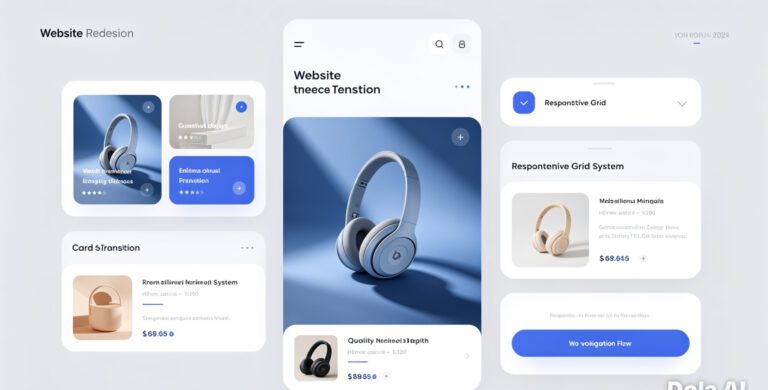
In 2026, web design shifts dramatically. Designers must stay agile and bold. Your website needs to feel modern and responsive. If you ignore new trends now, you risk falling behind in visibility and performance.
Mobile-First Reinvented
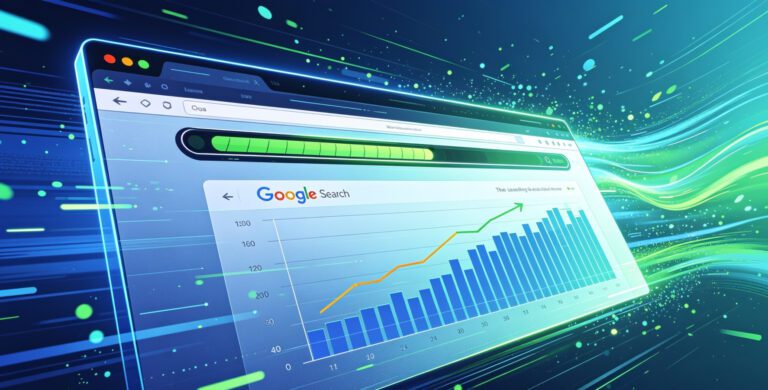
Mobile-first design remains crucial. Yet now designers emphasise performance, fluid layouts, and app-like experiences on smartphones. Google already ranks mobile experience highly.
Therefore you must optimise images, compress assets, and prioritise touch UI to succeed.
AI-Augmented Design Workflow
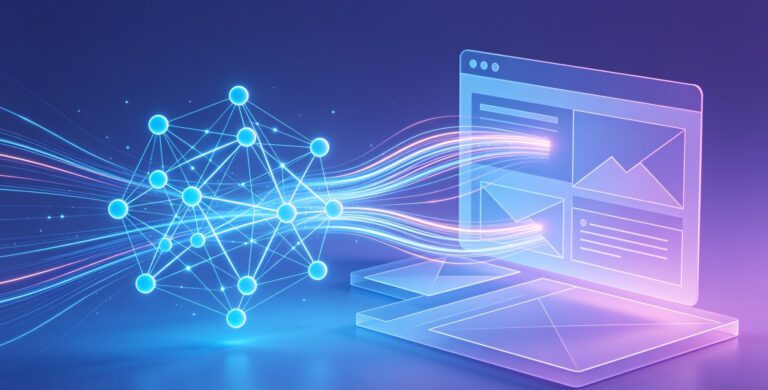
Artificial Intelligence moves from support to centre-stage in design workflows. Designers use AI to generate illustrations, refine layouts, and automate repetitive tasks.
Consequently, your web agency can deliver faster, smarter solutions and leave competitors trailing.
Immersive 3D, AR & Micro-Interactions
In 2026, 3D elements become lightweight and user-friendly. Micro-interactions and subtle AR add depth without lag.
Thus your site can engage users on a deeper level while remaining accessible.
Sustainability, Ethics & Accessibility
Today’s users expect brands to show responsibility. Eco-friendly design, low-energy assets, and inclusive interfaces are no longer optional.
By adopting ethical design, you build trust and support both SEO and user loyalty.
Bold Typography & Retro Revival
Expect a revival of raw, human design: brutalist grids, bold fonts, asymmetry and intentional “imperfections”.
These choices create visual uniqueness and help your site stand out in a sea of templates.
Dark Mode + Vivid Gradients
Dark mode remains a staple, paired with vibrant gradients that pop. This contrast boosts readability and creates a premium feel. Therefore implement dark-light toggles and ensure colour contrast meets accessibility standards.
Voice, Motion & No-Code Integration
Voice-enabled navigation and motion-driven interfaces gain traction. Meanwhile no-code/low-code tools allow rapid prototyping and deployment.
As a result, your agency can launch sites quickly and support dynamic client needs.
Data-Driven User Journeys
Design is increasingly informed by real-world data: heatmaps, scroll behaviour, conversion flows. Designers must use analytics to shape UX. Your projects then become smarter, more focused, and user-centric.
What It Means for Devon Design
At Devon Design, you can adopt these trends strategically and in phases where appropriate for your business and industry type Some will work, some may take time to digest. Begin with mobile performance. Add motion elements where they align with the brand. Work with accessibility and sustainable practices. Finally, test and refine based on user data. With this approach, you will have websites that not only look modern but perform, convert and rank.
Final Thoughts
Web design in 2026 mixes bold aesthetics with deep performance and ethics. If you adapt, you’ll lead rather than follow. For Devon Design clients, now is the time to evolve. Embrace mobile-first, integrate AI, apply immersive elements, and always keep great design, sustainability and accessibility front and centre.
Thanks to the information references for this article in Designmodo