It’s tempting to think that rebranding is just about sticking a new logo on the door or switching out your fonts and calling it a day. But honestly? A good rebrand can totally flip the script for a business. Especially if you’re a local one trying to stand out in a noisy market or shake off that “kinda stuck in the past” vibe.
Over the past few years, I’ve been lucky enough to work closely with some amazing local businesses around Devon. Some were clinging to visuals that didn’t really match who they’d become. Others had, like, totally grown up. Offering new services or targeting new people. But hadn’t updated their visual identity since forever. I’ve seen how a strong, thoughtful rebrand can breathe new life into a business. So yeah, let’s jump into a few real-life stories that show just how transformative. And sometimes emotional. This process can be.
Fresh Grounds: From So-So Café to Local Favorite
A couple summers ago, I got the call from a sweet little café in Torquay. They were operating under the name “Seaside Brews”, and honestly? The name and visuals just weren’t doing them any favors. The logo was like… a random coffee cup with some wavy lines. The color palette was meh. Beige and navy. Just… fine.
The owner, Lila, was super honest right from the start. “We’re not just a coffee place anymore,” she told me. “We do vegan brunches, art shows, music nights. None of that comes through in our brand.”
So we started digging into what made the place feel different. The handwritten menu on the chalkboard. The cozy wooden tables with paint stains from local kids’ art classes. The vibe on open mic night. It all felt super genuine and community-driven.
A few weeks later, we reintroduced them as “Fresh Grounds.” The new logo had a hand-drawn look, earthy tones replaced the boring navy, and we filled their digital presence with faces. Baristas, regulars, local artists. Not just coffee.
Three months in, Lila told me foot traffic was up by 37% (thanks, Square data). But more than that, the café had become known for more than just caffeine. It became a local hub. A place people actively chose to be in.
Westmoor Fitness: Breaking Away from Bro Culture
Now, not all rebrands are about becoming “softer” or more artsy. Sometimes it’s about growing up and getting real.
Take Westmoor Fitness. Once known as “Jim’s Gym” in Exeter (yeah, the name kinda says it all). Their brand was still stuck in early 2000s mode. Skulls, flames, and posters shouting “No Pain, No Gain.” It attracted a specific crowd, sure. But they hit a wall with growth, especially with women and beginners.
We took a hard look at all their stuff. Membership stats, social media comments, even class attendance. And it was clear… their image just didn’t match the inclusive, community-focused gym they’d quietly become.
So we scrapped the macho branding and leaned into something more grounded. “Westmoor Fitness” was born. Named after the nearby moorlands, evoking resilience and a deep-rooted strength. We brought in a neutral color scheme, but added fresh, energizing pops of color. The new signage showed real members, not just ripped dudes flexing.
Six months later? Membership grew by 24%, class signups balanced out across all genders, and they even got invited to speak at Devon’s Inclusive Wellness Summit in 2025. Pretty cool, right?
Haven & Hearth: Standing Out in a Sea of Sameness
Then there’s Haven & Hearth out in Newton Abbot. Lovely store. Scented candles, wooden bowls, soft textiles. But the problem? So did everyone else.
People liked shopping there, for sure. But they’d walk out and couldn’t remember what the place was called. Or worse, they’d confuse it with two other shops just down the road with nearly identical names.
We ran a customer feedback survey and one thing stood out. People didn’t remember the name, but they remembered the feeling. Words like “peaceful,” “slow,” and “cozy” kept coming up.
So we stopped pushing the products and started selling the emotion. We kept the name, sure, but built their identity around storytelling. Each item came with a little tag explaining where it came from, who made it, and why it mattered. Their new website (launched late 2024) introduced online bookings for workshops and interior consultations. The new logo? Hand-drawn, soft, and personal.
By early 2025, their Instagram following had tripled. And sales weren’t just peaking during holidays anymore. They were steady all year long. Founder Rachel L. summed it up perfectly at a creative conference:
So, What Can We Learn From All This?
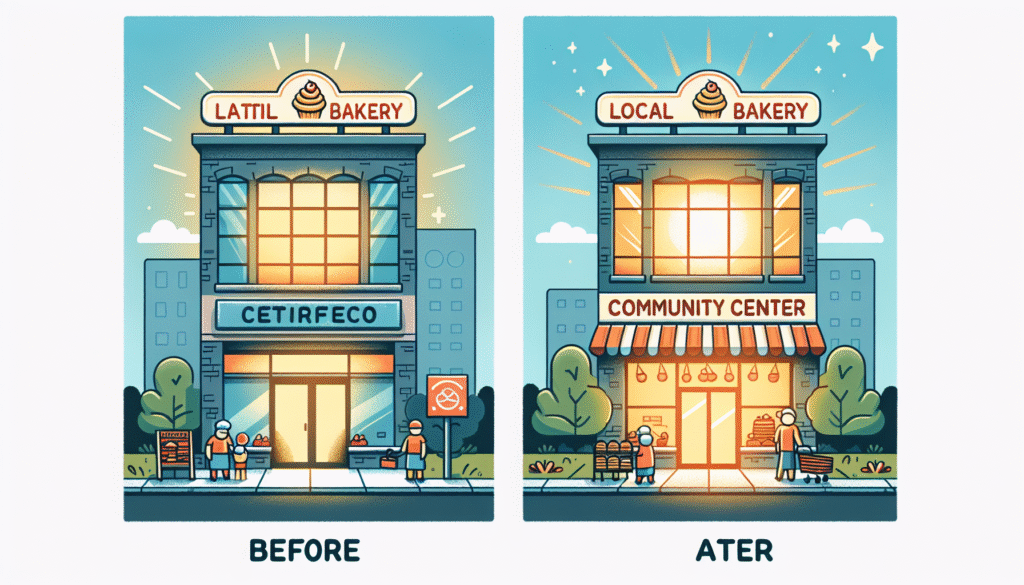
Let’s be real. Rebranding isn’t about “looking cooler.” It’s about aligning who you really are with how the world sees you. And when that clicks? Magic happens.
Here’s a few takeaways to chew on:
- Growth means change: If your business has evolved, your brand probably needs an update too.
- Your customers know more than you think: Listen to them. Their feedback is branding gold.
- Stories stick: People don’t just remember products. They remember emotions, moments, values.
- Design should reflect your truth: Don’t design for who you wish you were. Design for who you are.
I’ve watched brands go from almost-closed to thriving. Just by getting brave enough to show the world their real selves.
So if you’re feeling like your brand doesn’t quite fit anymore? Don’t ignore it. That tiny voice in the back of your head might just be onto something.
Frequently Asked Questions
When's the right time to rebrand a local business?
There’s no perfect moment, but big signs include flatlining sales, confused customers, an outdated vibe, or expanding into new services that your current brand doesn’t match.
Do I need a full rebrand?
Well, not always. Sometimes a light refresh. Like new colors or fonts. Might be enough. But if your branding feels totally off or mismatched with your goals, it might be time for a full redo.
How much does a rebrand usually cost?
It really depends. For small businesses, you’re looking at anywhere from £2,000 to £15,000. Depends on if you’re just doing visuals or going all in with messaging, strategy, website, packaging. You name it.
Can I do it myself without hiring a big agency?
Sure! Loads of folks go the DIY route or hire freelancers. Just be ready to roll up your sleeves and do the work. There’s plenty of great tools, online guides, and even short courses that can help.
Will I lose customers if I rebrand?
If you do it right? Nope. The key is to tell people what you’re doing and why. Most folks respect growth and will stick with you if you keep them in the loop.
Thinking of a rebrand? Whether it’s just a weird logo that doesn’t feel right anymore, or a name that no one remembers. Maybe now’s a good time to start asking the big questions.
You don’t have to redo everything overnight. But sit with it. Ask what your business feels like in 2025. Jot it down. Talk to customers. Reach out to local creatives. Because once your brand actually shows the heart behind what you do? That’s when things really shift.