Let’s be honest. The world out there? It’s just plain loud. Brands are shouting over each other, posting nonstop, blasting massive fonts like it’s a race. But here’s the twist: sometimes, the smartest move you can make for your brand is to just… say less. Yep, that’s the magic behind minimalist design. It doesn’t need to yell. It whispers, calmly and confidently. And in a world where your attention is pretty much gold, well, that quiet whisper? It gets noticed.
What Even Is Minimalist Design?
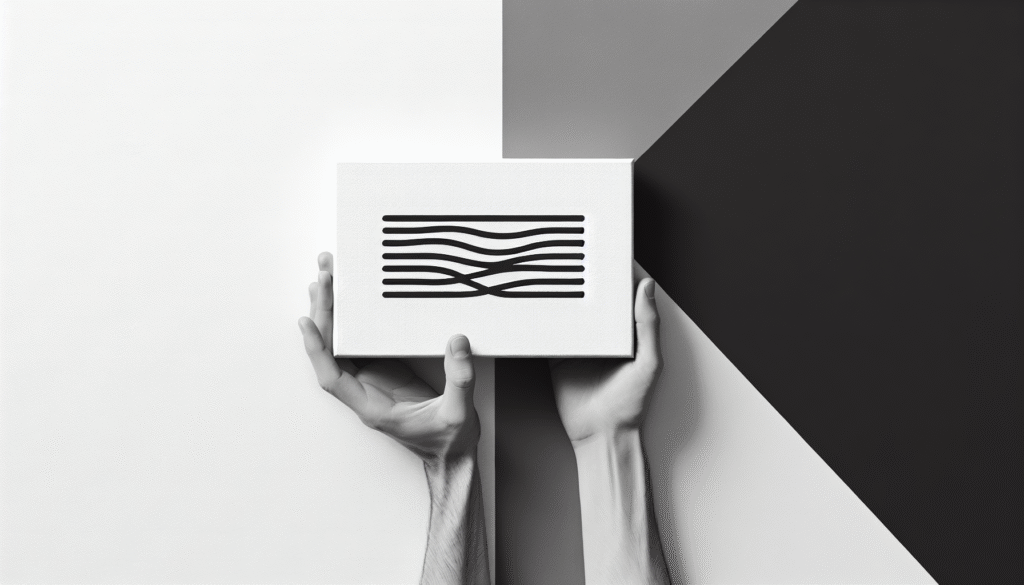
So, minimalism isn’t just white space and black text. It’s more than that. Like, way more. It’s about peeling back the extras until all that’s left is what really matters. It’s design with intention. Design on purpose.
Think of it like this: every piece of the design earns its spot on the stage. There’s no filler, no fluff. From the spacing to the fonts, every single choice has a job to do.
Honestly, I still remember this project I did for a small artisan biz in Devon last summer. Their stuff was gorgeous, but the brand? Kinda messy. Way too many trendy icons, complex visuals, and just… noise. It didn’t reflect their vibe at all. So we stripped it right back. Clean lines, soft tones, and space that actually breathed. Crazy thing? Their sales tripled in just a few months. The design finally looked as good as their product actually was.
Why Your Brand Should Even Care About Minimalism
You know those brands that just look like they’ve got it together? Apple, Muji, Airbnb. They all lean into minimal design. That’s no accident.
Here’s what going minimal can do for your brand:
1. Build Instant Trust
First impressions are brutal. People make up their minds in, like, 0.05 seconds. For real. The Nielsen Norman Group said so in a 2024 study. If your website’s a hot mess? Visitors bounce. But a clean design? It quietly says, “Yep, we’ve got our act together.”
2. Make Your Brand Stick
See, when you remove all the extra noise, your key elements. Logo, font, color scheme. They finally get to shine. They’re easier to remember, more distinct, and less likely to blend in with the rest of the internet.
3. Improve the User Experience
Websites that are minimalist usually load quicker, feel smoother, and are just easier to use. Especially on mobile. Google’s latest Web Vitals update (2025) is pushing for speed, clarity, and seamless digital experiences. If someone’s fighting with pop-ups or getting lost on your site, they’ll leave. Fast.
Two of our clients saw bounce rates drop by over 40% once we cleaned up their site design. That’s not small potatoes.
4. Leave Room for Emotion
Minimalist design isn’t just about what’s not there. It’s about the space that’s left behind. And what that space does. It gives your message some room to breathe. And that space helps people feel something. Which yeah, strange as it sounds, matters more than you probably think.
Wait... Is Minimalism Too Boring for Bold Brands?
This comes up all. the. time. People worry minimal means dull, flat, vanilla. But nope. Minimalist doesn’t mean lifeless. In fact, the opposite’s true. When your layout is simple, the bold elements? They stand out even more.
Picture this: one powerful headline on a clean page. Boom, grabs attention. Compare that with a screen full of noisy graphics and 12 font styles? The impact just gets lost. I’ve helped food brands, tech bros, even a community theatre project go minimal. And trust me. Not one of ’em lost personality. If anything, they found it.
Wanna Try It? Here's How to Start
Minimalism doesn’t mean you gotta delete everything and start from scratch. You can ease into it. Like this:
- Do a Content Audit: What parts of your brand actually matter? What’s just… hanging around?
- Design with Purpose: If something doesn’t help with clarity, readability, or usability. Ditch it.
- Stick to 2-3 Colors: Too many shades? It confuses the message. Simple palettes speak louder.
- Be a Font Snob: Choose one or two that really fit your brand. Don’t go font-crazy.
- Let It Breathe: Whitespace isn’t empty. It’s powerful. Let things chill a little.
Real Talk: Minimalism Ain't Magic
Okay, time for the honest bit. Minimalist design can’t (and won’t) save weak messaging or a bad product. If your offer’s not clear or your strategy is a mess, even the prettiest minimalist layout won’t help.
But. What it can do is spotlight your strengths and remove the distractions. From what I’ve seen with dozens of brands, especially around Devon, the ones that click? They’ve figured out their “why” first. The design just brings that story to life.
Wrapping Things Up
Minimalism isn’t about being boring or basic. It’s about being clear. And right now? Clarity’s a superpower. In a world full of digital chaos and sensory overload, standing out is about being intentional, not louder.
So maybe, instead of adding more stuff, ask: what could I take away?
Wanna clean things up a bit? Let’s chat. We’ll fine-tune your visuals so your story really shines. Loud doesn’t always get heard. But purpose? That always does.
Frequently Asked Questions
What brands use minimalist design really well?
Brands like Apple, IKEA, Everlane, and Uniqlo totally crush it. They keep their designs clean, with consistent colors and simple layouts. And it works. Makes ’em feel both premium and chill at the same time.
Can minimalism still be… ya know, creative?
Oh absolutely. It’s not about removing creativity. It’s more about refining it. Fewer tools means more clever use of what’s there. Bold fonts, sleek animations, custom icons. They all pop in a minimal setup.
Isn't minimalism just for luxury or tech brands?
Not even close. I’ve seen minimalism work wonders for all kinds of brands. A cozy café, a yoga studio, even a tattoo shop. It’s really just about aligning your design with your vibe. Doesn’t have to be fancy.
How do I make sure my minimalist design doesn't look boring?
Use contrast, great images, and strong copy. Seriously. Every element needs to count. And yeah, invest in the visuals. If you’re going simple, each piece has to pull its weight.
Is minimalism just a trend?
Not really. I mean, sure, design trends come and go. But minimalism’s been around for nearly a century. From Bauhaus in the 1920s to modern web design today, it keeps showing up because it just… works. So nah, not a trend. More like a style that evolves.