If you’re running a small or medium-sized business in Devon, your website isn’t just a digital brochure anymore. It’s often your first impression, your storefront, and your most powerful sales tool. And with WordPress continuing to lead the pack as the platform of choice for business websites, it’s more important than ever to keep your online presence fresh, functional, and forward-thinking.
2025 has brought a wave of change to web design, especially within the WordPress ecosystem. Having spent the last 12 years building and managing WordPress sites. Many for Devon-based businesses. I’ve had a front-row seat to the shifts happening in user expectations, design technology, and how brands need to show up online.
So, what’s defining the WordPress design and development scene this year? And more importantly, what should you actually care about? Let’s dig in.
The Rise of Clean and Purposeful Minimalism
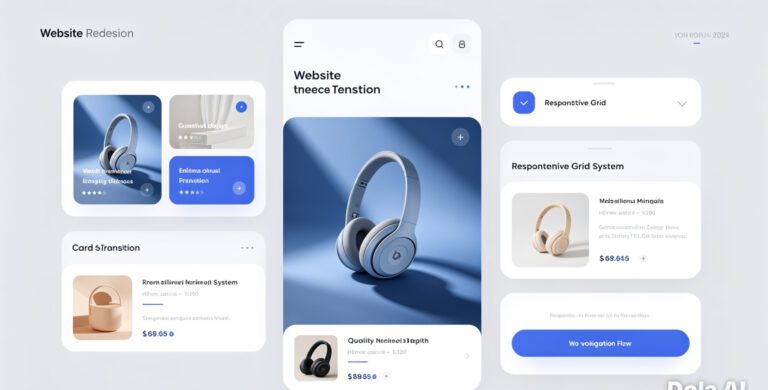
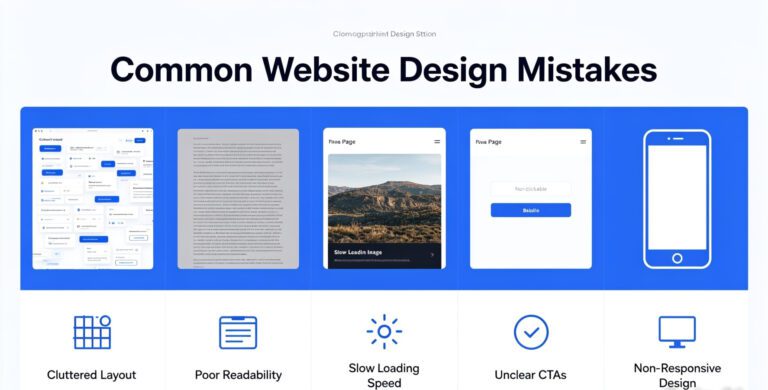
First things first: clutter is out. Big time. We’re seeing a hard pivot toward clean, whitespace-rich designs that focus on clarity, speed, and easier navigation.
Minimalism isn’t about being boring. It’s about being focused. Take the local artisan bakery we worked with in Totnes. Their old site was jam-packed with flashy banners and sliders, but mobile users were bouncing before even finding the menu. A stripped-back redesign with smarter typography and subtle textures boosted their conversions by 35% within three months.
Clean layouts load faster, simplify choices, and help guide visitors where you want them to go. Whether it’s making a booking, buying a product, or giving you a ring.
Motion UI: Microanimations That Make a Difference
You know that subtle nudge when a button gently expands on hover or a product card lights up when you scroll? That’s Motion UI, and it’s quietly stealing the spotlight in 2025.
These tiny animations aren’t just eye candy. They serve a purpose. They create visual hierarchy, make the experience feel more fluid, and give your site that polished, next-level vibe visitors now expect.
Just last month, I added microinteractions to a local yoga studio’s booking form. Animations that indicate progress and confirm when a class is locked in. The studio owner said clients now describe using the site as “weirdly satisfying.” That’s the sort of emotional engagement that sticks.
AI-Driven Personalisation Is Growing Fast
AI integration might sound like it’s straight out of Silicon Valley, but it’s becoming increasingly accessible. Even for small businesses in Exeter, Newton Abbot, or Paignton.
We’re seeing more WordPress plugins that harness AI to personalise user experiences on the fly. Think content recommendations, predictive search, dynamic pricing, or chatbot-driven support. Tailored to each visitor’s behavior.
I’m working with a local co-working space in Barnstaple right now, running tests on an AI plugin that automatically adapts homepage headlines based on the time of day or user location. Results are early, but bounce rates are already on the decline.
For businesses serving different customer types or seasonal products, this kind of smart automation can be a game-changer.
Mobile-First or Bust
This isn’t new. But it’s more urgent than ever. With over 70% of UK web traffic now coming from smartphones (according to Ofcom’s 2024 market report), your site can’t afford to be anything short of seamless on mobile.
Mobile-first doesn’t just mean your site works on a smaller screen. It means it’s built from the ground-up for mobile usability: clean tap targets, lightning-fast loading, simplified menus.
One client. A small surf gear brand near Croyde. Saw a 50% uptick in mobile conversions after we rebuilt their WooCommerce site with a thumb-friendly, performance-optimised layout. That kind of difference isn’t optional anymore.
SEO Is Changing, and WordPress Is Keeping Up
Google’s algorithms are smarter now. It’s not just about keywords. It’s about the whole experience: content quality, loading speed, accessibility, and user signals.
Thankfully, modern WordPress tools like Rank Math and the latest versions of Yoast are catching up. For example, supporting schema markup, Core Web Vitals monitoring, and image accessibility prompts out of the box.
I recommend Devon business owners take advantage of site audits every quarter. It’s too easy to slip behind competitors who are actively leveraging SEO best practices. I once discovered that a retail shop in Torquay had over 30% of its product pages unindexed due to a simple sitemap issue. Something no one noticed until traffic dipped.
That’s the kind of oversight that’s avoidable with the right setup.
Pre-Made Templates vs. Custom Themes: What Really Matters
Let’s be honest: pre-made templates can be tempting. They look good, cost less, and are fast to launch. But here’s the kicker. So do the other 15,000 sites using the same one.
If you want to stand out—really stand out. The design must feel like you. That’s where custom themes step in.
Custom builds allow for deep branding integration, performance optimisation, and. Crucially. Flexibility as your business evolves. I’ve worked with a sustainability consultancy in Exeter that needed a unique client portal, a tailored blog structure, and a visual storytelling layout. No cookie-cutter theme could cover that.
Of course, not every business needs a ground-up build. A hybrid approach. Starting with a strong base theme and customising heavily. Can strike a balance between budget and impact. It all comes down to what your business actually needs, not what’s trending.
Devon’s Looking Sharp: Local Businesses Leading the Charge
More Devon businesses are getting bold with their web presence, and it’s genuinely exciting to watch.
Look at the independent cider producer in Tiverton who integrated dynamic storytelling sections throughout their homepage, using full-bleed video loops and finely-tuned scroll effects. Or the Brixham-based marine services company using real-time weather widgets on their WordPress site to aid coastal navigation.
These aren’t gimmicks. They’re practical, well-thought-out decisions that both serve users and reflect brand identity with clarity.
Final Thoughts: Embrace the Change, But Keep It Real
Trends should never dictate your site. They should inspire strategy. Whether you’re refreshing an outdated layout or launching a brand-new venture, the key lies in blending what’s current with what’s uniquely you.
Use design trends as a palette, not a recipe.
If you’re unsure where to start, chat with a developer or designer who gets both your industry and your audience. Someone who respects your budget and your ambition.
The tools are more powerful than ever. The bar for user experience is higher. And we’re lucky in Devon to be surrounded by creativity, community, and a growing pool of web talent.
Ready to take your WordPress site to the next level this year? Drop me a message, book a free website evaluation, or grab a coffee if you’re nearby. Let’s build something that’s not just trendy. But timeless.